New York Garage Sale Regulations: Permits, Taxes & Laws
Understand New York garage sale regulations, including permit requirements, state tax exemptions, sign ordinances, and municipal rules for hosting.
Admin
Published August 10, 2026
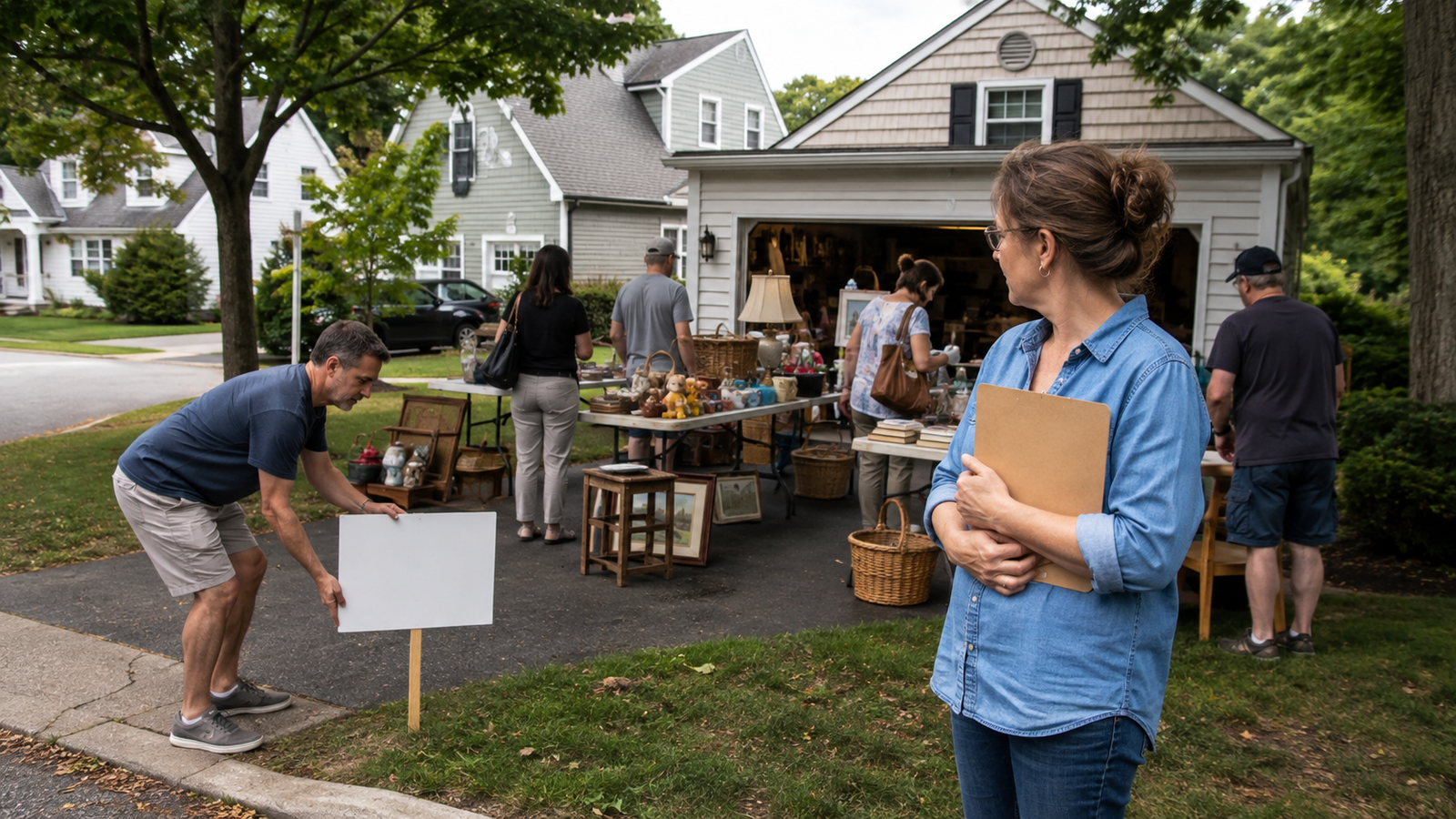
Clearing out clutter with a weekend sale is a time-honored tradition across the Empire State, but staying compliant with New York garage sale regulations is essential to avoid unexpected fines or interruptions. From local permit requirements in New York City and Long Island to upstate sign ordinances and state tax rules, knowing the law before setting up your tables ensures a stress-free, profitable event.
Whether you are hosting a small driveway sale or organizing a larger neighborhood event, this guide breaks down everything you need to know about local permits, state tax guidelines, signage laws, and smart promotion strategies.
Do You Need a Permit? City vs. Town Garage Sale Regulations in NY
In New York State, garage sale permit requirements are determined at the municipal level rather than by a single statewide mandate. This means rules vary dramatically depending on whether you live in a city, town, or village.
City and Local Municipality Rules
New York City: Residential garage sales generally do not require a specific permit as long as they remain occasional and informal. However, commercial retail activity in residential zones is strictly restricted.
Suburban & Upstate Towns: Many towns across Nassau, Suffolk, Westchester, and Erie counties require a low-cost or free local garage sale permit before hosting.
Village Laws: Smaller incorporated villages often enforce strict regulations, requiring permit applications to be filed 3 to 7 days in advance.
Before pulling out your price tags, check your town clerk's official website or contact local code enforcement. If you are organizing a community-wide event, like a multi-family garage sale in Gates, NY, specific group permit guidelines may apply.
New York State Sales Tax Rules: When Are Casual Sales Taxed?
One of the most common questions from Empire State homeowners is whether they need to collect state sales tax on used household goods.
According to the New York State Department of Taxation and Finance, isolated or "casual" sales conducted at a residential property are generally exempt from state sales tax under the casual sales exemption, provided you meet the following criteria:
Personal Household Belongings: The items sold were originally purchased for personal or household use, not acquired or manufactured specifically for resale.
Occasional Nature: You hold sales for no more than three calendar days per quarter or six days per calendar year.
Revenue Threshold: Total gross receipts from your sales do not exceed $600 in a calendar year.
If you regularly buy items specifically to flip them at yard sales or exceed these frequency and income thresholds, the state may classify you as a commercial vendor, requiring a Certificate of Authority and standard sales tax collection.
Annual Limits and Frequency: How Often Can You Hold a Sale?
To prevent residential neighborhoods from turning into permanent commercial storefronts, almost every New York municipality imposes limits on sale frequency.
Standard local restrictions across NY generally enforce:
2 to 3 Sales Per Year: Most towns restrict a single residential address to a maximum of 2 or 3 weekend garage sales per calendar year.
Duration Caps: A single permitted sale typically cannot exceed 2 or 3 consecutive days.
Hours of Operation: Most municipalities limit sale hours to daylight times, typically between 8:00 AM and 6:00 PM.
Exceeding these limits without commercial zoning can lead to local code enforcement citations. When scheduling, make sure to review the best time for a garage sale to maximize foot traffic within your allowed operational days.
Sign Ordinance Rules: Where You Can (and Cannot) Post Signs
Posting directional signs is a classic advertising method, but violating local sign ordinances is the quickest way to receive a fine in New York.
Common NY Sign Laws to Follow:
Public Utility Poles & Traffic Signs: Attaching signs to light poles, stop signs, or utility poles is illegal in almost every New York city and town due to safety and defacement laws.
Public Rights-of-Way: Placing stake signs in street medians, highway exits, or public sidewalks is strictly prohibited.
Private Property Consent: You may only place signs on private lawns with explicit permission from the property owner.
Prompt Removal: Most municipal ordinances require all physical signs to be taken down within 24 hours after your sale concludes.
Because strict physical sign enforcement makes paper signs risky, smart hosts are shifting toward digital maps when finding garage sales near you.
Modern Promotion: Staying Compliant by Going Digital
Navigating sign regulations and local restrictions doesn't mean you have to compromise on buyer visibility. Digital promotion keeps you 100% compliant with municipal sign laws while reaching thousands of active secondhand shoppers in your area.
By publishing your sale online with YardLocal, you can:
Showcase high-resolution photos, item descriptions, and exact operating hours without relying on illegal street signs.
Reach nearby buyers actively searching for weekend sales on their smartphones.
Direct shoppers directly to your driveway using built-in map navigation.
When you're ready to launch, take time to learn how to price yard sale items so you can turn online traffic into quick cash sales on event day.
Step-by-Step Compliance Checklist for New York Sellers
Follow this quick checklist to ensure your New York sale runs smoothly and lawfully:
1. Verify Local Permits: Contact your town or village clerk 1 to 2 weeks prior to your planned sale date.
2. Confirm Address Limits: Ensure you haven't exceeded your address's annual sale limit.
3. Review Tax Status: Confirm that your inventory consists of personal household goods qualifying for the NY casual sale tax exemption.
4. Follow Sign Rules: Avoid public utility poles and street medians; rely on digital map listings instead.
5. Keep Public Pathways Clear: Ensure tables and clothing racks leave municipal sidewalks completely unobstructed.
6. List Online Early: Post your sale details online to attract local bargain hunters legally and effortlessly.
Frequently Asked Questions
Do I need a permit to hold a garage sale in New York?
It depends on your town, village, or city. While New York City generally does not require permits for casual driveway sales, many suburban and upstate municipalities (such as towns on Long Island or in Westchester County) require a low-cost or free permit. Always check with your local town clerk first.
How many garage sales can I legally hold per year in NY?
Most New York municipalities restrict residential addresses to 2 or 3 garage sales per calendar year, with each sale limited to 2 or 3 consecutive days. Exceeding these limits can lead to local commercial zoning violations.
Do you have to collect sales tax on yard sale items in New York State?
No, as long as you qualify for New York State's "casual sales" exemption. If you sell personal household goods, host sales for 3 or fewer days per quarter (or 6 days per year), and earn under $600 annually, you do not need to collect state sales tax.
Planning a sale in New York? Avoid local sign fines and attract shoppers instantly—list a yard or estate sale for free on YardLocal today!
Ready to find yard sale treasures near you?
Search active garage sales, estate sales, and neighborhood events updated daily on YardLocal.